

Modern Commercial Ice Makers: Smart Alerts, High Capacity

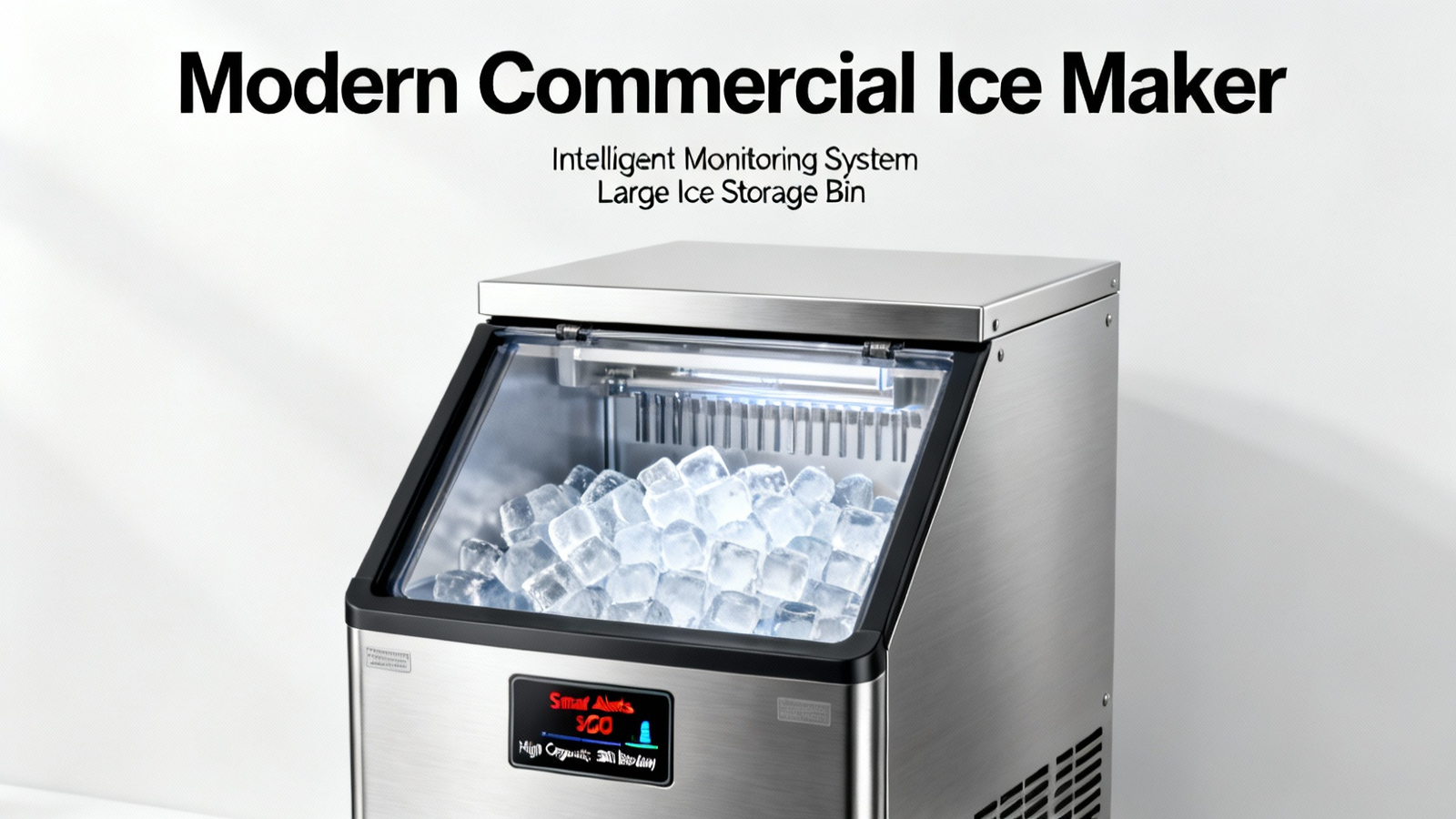
For any business reliant on a steady supply of ice, from bustling restaurants to high-volume healthcare facilities, a commercial ice maker is a critical investment. This article delves into the advanced features of modern ice machines, focusing on intelligent alerts, automated maintenance, and high-capacity design that ensure operational efficiency and reliability. We’ll explore how these innovations solve common pain points, supported by industry insights and user experiences.
Intelligent Operation: Alerts and Automated Control
Modern commercial ice makers are engineered for proactive management. Features like fault alerts and water shortage notifications prevent minor issues from halting production, a crucial advantage noted in industry discussions. A Reddit user in the r/KitchenConfidential community highlighted the operational nightmare of a silent ice machine failure during a busy service. Discreet ice full alerts and intuitive touch control panels put managers in command, minimizing downtime and manual checks. This shift towards connected, communicative equipment is part of a broader trend in commercial foodservice equipment towards the Internet of Things (IoT), enabling smarter facility management.
Maintenance and Hygiene Simplified
Ease of maintenance directly impacts total cost of ownership and food safety. Auto defrost cycles combat efficiency loss from frost buildup, a well-documented phenomenon in refrigeration systems. Furthermore, integrated water filters are essential for ice quality and machine longevity. As noted on Wikipedia’s ice machine entry, scale and contaminant buildup from water lines are primary causes of malfunction. Features like the flip-up bin door and included ice scoop promote hygienic access, addressing a key concern in health code compliance. The availability of both water pump and gravity drainage options, as seen in models like the commercial split ice maker, provides installation flexibility for various kitchen layouts.
Engineered for Stability and High-Volume Output
Consistent performance hinges on stable operation. Four-adjustable feet ensure level placement, which is critical for proper water distribution in the ice mold and even ice production. This foundational stability supports the machine’s high-output function. A unit capable of producing over 14,900 cubes or 420 lbs. per day meets the demands of peak service. This capacity, paired with a large 300 lb. storage bin, ensures a ready buffer, making it a robust solution for establishments that cannot risk an ice shortage. The split design of a high-capacity split ice maker separates the noisy condenser from the storage bin, a design praised in user forums for improving the front-of-house environment.
Design and Usability Enhancements
Beyond raw performance, thoughtful design details enhance daily usability. The blue-lighted ice storage bin is more than an aesthetic touch; it serves as a clear visual indicator of ice level in dimly lit bar or kitchen areas, improving staff efficiency. This focus on user-centric design extends to the overall accessibility of the ice, ensuring that the machine’s high capacity translates into convenient service. Such ergonomic considerations are increasingly valued, as they reduce staff effort and streamline service during high-pressure periods, a point often reiterated in hospitality management discussions online.
In summary, today’s commercial ice makers, such as the featured split-type model, represent a significant leap from basic ice production. They integrate smart alerts for operational awareness, automated features to reduce manual labor, and robust construction for high-volume, stable output. The inclusion of hygiene-promoting accessories and user-friendly design elements like lighted bins demonstrates a holistic approach to equipment design. For a business owner, investing in a unit with these comprehensive features means securing more than just an ice maker; it’s an investment in operational resilience, food safety compliance, and ultimately, customer satisfaction. By choosing a machine that addresses the core challenges highlighted by industry professionals and authoritative sources, you ensure that one of your kitchen’s most vital utilities operates as a reliable, efficient, and worry-free asset.
The smart alerts on these modern ice makers sound like a real game-changer for preventing downtime.
\}}
The smart alerts on these modern ice makers sound like a real game-changer for preventing downtime.
\}}
The smart alerts on these modern ice makers sound like a real game-changer for preventing downtime.
\}}
The smart alerts on these modern ice makers sound like a real game-changer for preventing downtime.
\}}
The smart alerts on these modern ice makers sound like a real game-changer for preventing downtime.
\}}
The smart alerts on these modern ice makers sound like a real game-changer for preventing downtime.
\}}
The smart alerts on these modern ice makers sound like a real game-changer for preventing downtime.
\}}