

Modern Commercial Ice Makers: Smart Alerts, Auto-Care, High-Capacity

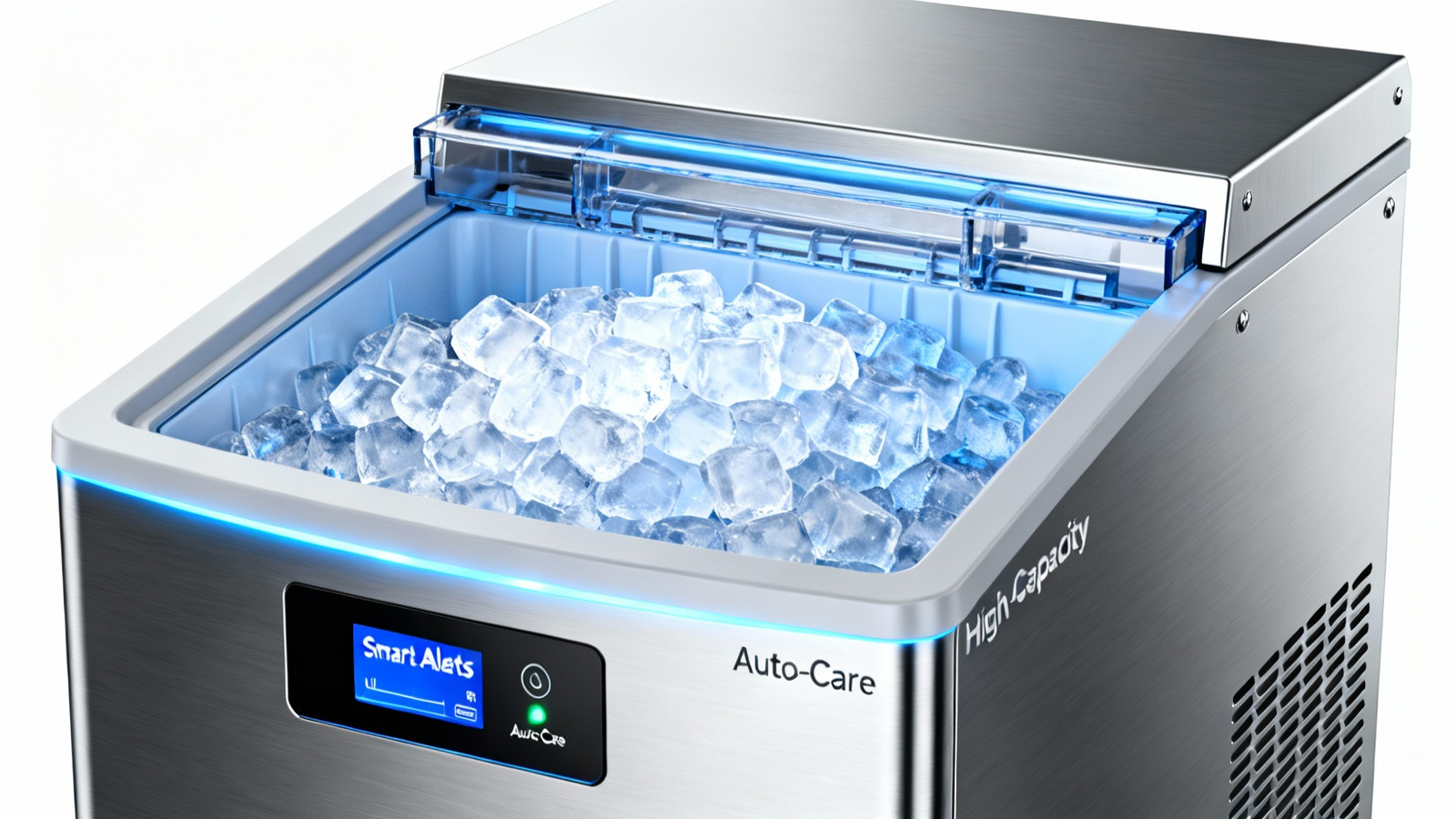
For any business reliant on a steady ice supply, a commercial ice maker is a critical investment. This article explores the advanced features of modern units, focusing on intelligent alerts, automated maintenance, and high-capacity design that ensure operational efficiency and uninterrupted service for your customers and operations.
Intelligent Operation & Proactive Alerts
Modern commercial ice makers move beyond simple production to offer intelligent management. Key to this is a suite of fault and status alerts. A water shortage alert prevents damage to the compressor by halting the cycle if supply is low, a common issue noted in hospitality discussions. Meanwhile, a discreet ice full alert in the storage bin signals the machine to pause production, preventing overflow and wasted energy. This network of notifications, often managed via an intuitive touch control panel, allows staff to address issues proactively, minimizing downtime—a top concern for any foodservice business.
Automated Maintenance for Hygiene & Efficiency
Consistent maintenance is non-negotiable for food safety and machine longevity. Today’s units automate this crucial area. The auto-defrost function periodically melts frost buildup on the evaporator, ensuring optimal heat transfer and consistent ice production while eliminating a manual chore. Furthermore, integrated water filtration is essential. As highlighted in discussions on ice machine hygiene, filters reduce scale and contaminants, directly impacting ice clarity and taste. This combination of features ensures the machine maintains peak performance and sanitary output with minimal manual intervention.
Engineered for High-Volume Demand
The core purpose of a commercial unit is to meet high demand reliably. This is defined by daily production capacity and storage. A machine like the 22.24 in. 420 lbs/24h Ice Tray Count 156 Commercial Split Ice Maker is engineered for this, producing over 14,900 cubes daily. Its large-capacity bin, holding up to 300 lbs, acts as a buffer during peak hours. The split design, separating the ice-making engine from the storage bin, allows for flexible installation and lets the production unit work continuously to replenish ice as it’s used, which is a standard design for high-volume applications as referenced in commercial foodservice equipment guidelines.
Design Details That Enhance Usability
Thoughtful design elements significantly impact daily operation. 4-adjustable feet ensure perfect leveling on uneven floors, which is critical for proper water distribution and even ice formation. User-serving features include a blue-lighted storage bin that provides ambient visibility and a flip-up door with included scoop for quick, hygienic access. Drainage flexibility, offering both pump-assisted and gravity options for the bin and machine, simplifies installation and cleaning. These details culminate in a user-friendly experience, reducing labor and ensuring consistent, reliable ice supply for any commercial split ice maker environment.
In summary, today’s commercial ice makers are sophisticated systems designed for reliability, cleanliness, and ease of use. By integrating proactive fault alerts for water shortage and bin capacity, they prevent operational hiccups. Automated defrost cycles and built-in water filtration tackle essential maintenance, safeguarding both machine health and ice quality. The high-volume capability, exemplified by units producing 420 lbs of ice daily, meets the demands of bustling establishments. Finally, practical design touches—from adjustable leveling feet to intuitive lighting and access—ensure seamless integration into daily workflow. Investing in a unit with these comprehensive features, like the high-capacity commercial split ice maker, is an investment in uninterrupted service, allowing you to focus on your customers with the confidence that your ice supply is consistently managed, abundant, and clean.
The smart alerts and auto-care features in modern commercial ice makers sound like a game-changer for keeping operations running smoothly.
\}}
The smart alerts and auto-care features in modern commercial ice makers sound like a game-changer for keeping operations running smoothly.
\}}
The smart alerts and auto-care features in modern commercial ice makers sound like a game-changer for keeping operations running smoothly.
\}}
The smart alerts and auto-care features in modern commercial ice makers sound like a game-changer for keeping operations running smoothly.
\}}
The smart alerts and auto-care features in modern commercial ice makers sound like a game-changer for keeping operations running smoothly.
\}}
The smart alerts and auto-care features in modern commercial ice makers are a game-changer for keeping operations running smoothly.
\}}
The smart alerts and auto-care features in modern commercial ice makers are a game-changer for keeping operations running smoothly.
\}}
The smart alerts and auto-care features in modern commercial ice makers are a game-changer for keeping operations running smoothly.
\}}
The smart alerts and auto-care features in modern commercial ice makers are a game-changer for keeping operations running smoothly.
\}}
The smart alerts and auto-care features in modern commercial ice makers are a game-changer for keeping operations running smoothly.
\}}