

Modern Commercial Ice Makers: Features for Efficiency

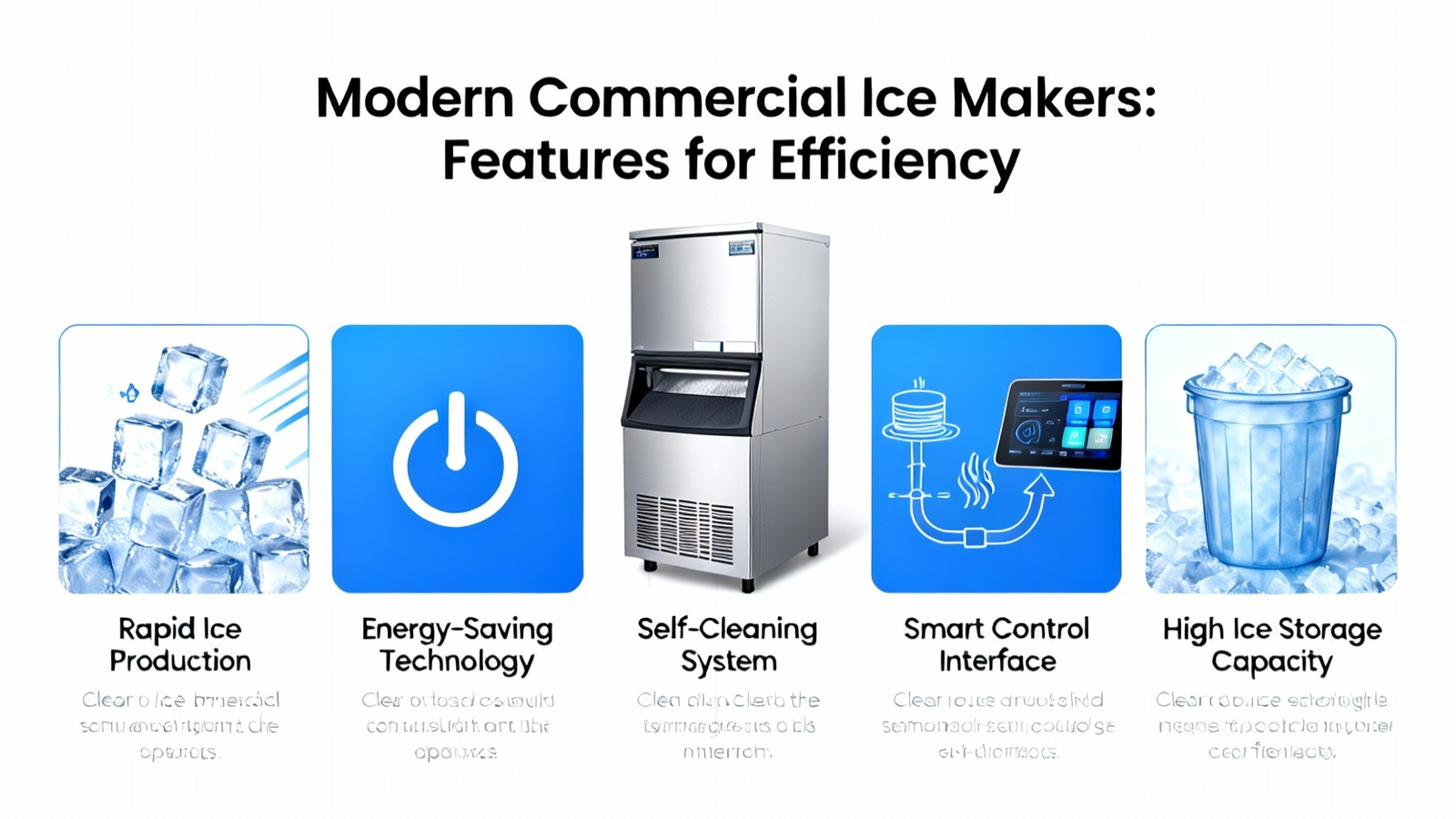
For any business reliant on a steady supply of ice, a commercial ice maker is a critical investment. This article explores the advanced features of modern commercial ice makers, focusing on how innovations like fault alerts, auto-defrost, and large-capacity production ensure operational efficiency and reliability for restaurants, bars, and hospitality venues across the United States.
Intelligent Operation and Proactive Alerts
Modern commercial ice makers are engineered for smart, uninterrupted operation. Key to this is a suite of alert systems that prevent downtime. A fault alert system monitors the machine’s vital functions, providing early warnings for issues before they halt production—a concept aligned with predictive maintenance strategies discussed in industrial contexts on platforms like Reddit’s r/refrigeration community. Coupled with water shortage and discreet ice full alerts, these features ensure the machine communicates its status, allowing staff to address problems proactively and maintain consistent ice supply.
Hygiene, Maintenance, and User Convenience
Hygiene and ease of maintenance are paramount in foodservice equipment. An integrated water filter is essential for producing clean, clear ice by removing impurities, a practice supported by food safety guidelines. The auto defrost function eliminates the labor-intensive and often neglected task of manual defrosting, which improves energy efficiency and prevents ice buildup that can damage components. User-centric designs like an intuitive touch control panel, a flip-up ice bin door, and an included ice scoop streamline daily operation and service, promoting both convenience and sanitation.
Design and Stability for Demanding Environments
Commercial kitchens are busy, uneven, and require durable equipment. 4-adjustable feet allow for precise leveling on any floor, eliminating wobble that can cause mechanical stress and uneven ice production. This stability is crucial for the machine’s longevity. Furthermore, aesthetic design elements like a blue lighted ice storage bin serve a dual purpose: enhancing the visual appeal of a bar or server area while acting as a functional visual indicator for ice levels in low-light settings, blending form with function.
High-Volume Production and Installation Flexibility
The core purpose of a commercial unit is high-volume output. A machine capable of producing 420 lbs. of ice per day, with a storage bin holding 300 lbs., is designed to meet the demands of peak service. This volume, translating to over 14,900 cubes daily, prevents shortages during gatherings or busy shifts. Installation versatility is provided through multiple drainage options; the main ice maker unit typically offers both water pump drainage and gravity drainage for the storage bin, allowing for configuration in various kitchen layouts, as noted in equipment installation threads.
In summary, today’s commercial ice makers, such as the high-capacity 22.3″ Commercial Split Ice Maker, represent a significant evolution from basic ice-producing appliances to intelligent, self-regulating systems. By integrating proactive fault and status alerts, they mitigate one of the biggest pain points in commercial kitchens: unexpected equipment failure. Features promoting hygiene and low maintenance, like auto-defrost and water filtration, directly address food safety standards and reduce labor costs. The emphasis on stable, adjustable construction ensures reliable performance in the challenging physical environment of a restaurant. Ultimately, the combination of massive daily production—over 420 lbs.—with user-friendly design and installation flexibility makes these machines a cornerstone for operational readiness in the US foodservice and hospitality industries. Investing in a unit with these comprehensive features doesn’t just provide ice; it ensures business continuity, customer satisfaction, and peace of mind.