

High-Efficiency Commercial Ice Makers for Bars and Restaurants

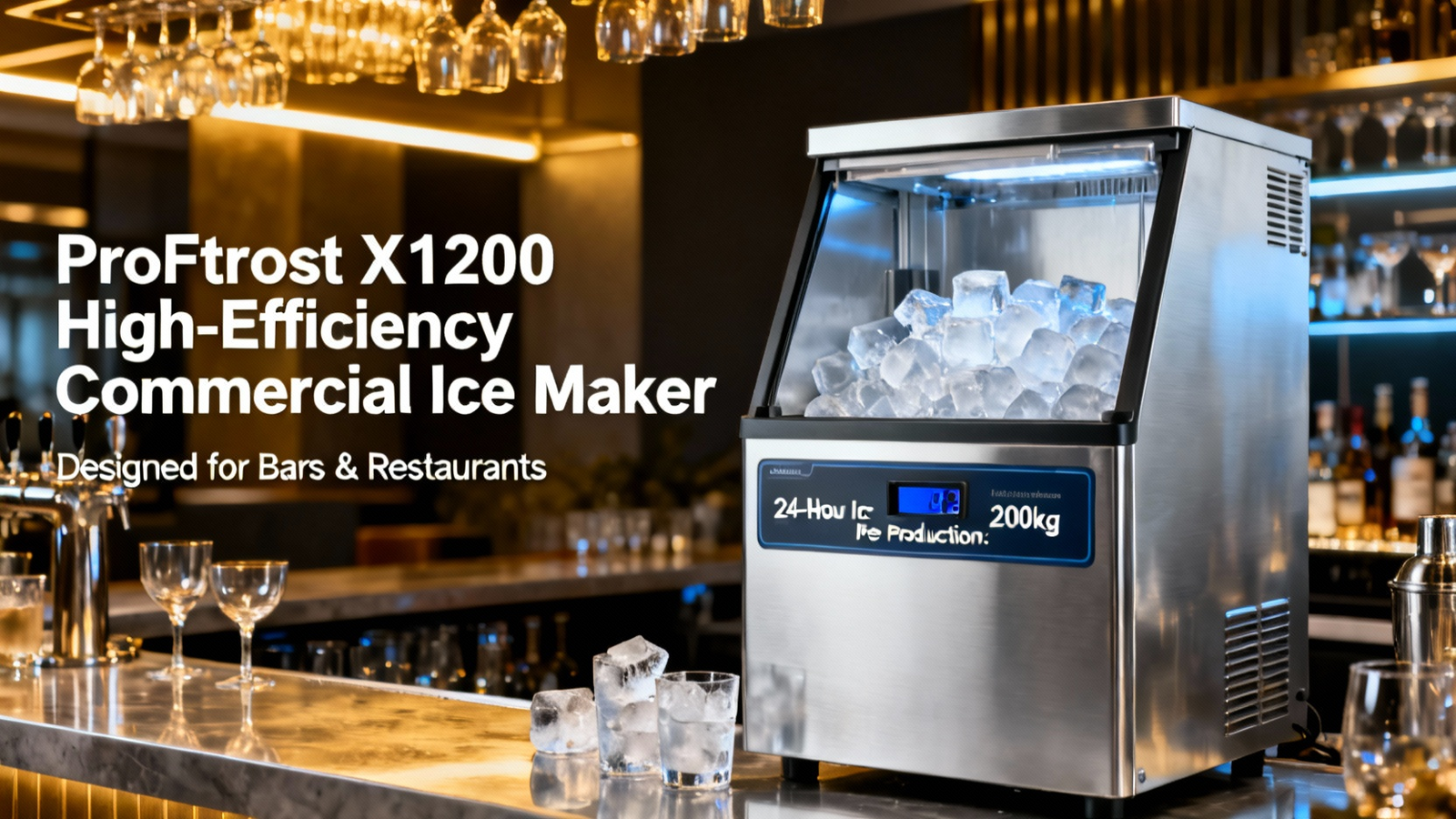
Unlocking Commercial Ice Production: A Deep Dive into High-Efficiency Ice Makers
For bars, cafes, and restaurants, a reliable ice machine is the unsung hero of service. This article explores the critical features of modern commercial ice makers, focusing on efficiency, hygiene, and operational intelligence. We’ll examine how innovations like built-in filtration and automated systems meet both industry demands and consumer expectations for quality and convenience.
The Critical Role of Water Filtration in Ice Quality
Superior ice begins with superior water. A high-efficiency water filter is not a luxury but a necessity for commercial ice production. It directly impacts clarity, taste, and equipment longevity. Tap water contains minerals like calcium and chlorine, which can cause cloudy ice, off-flavors, and scale buildup that impairs machine efficiency. The integration of a reliable filter system, as seen in machines like the TITTLA commercial ice maker, ensures pure drinking water is the starting point, guaranteeing the taste of beverages remains uncompromised. This aligns with discussions in hospitality forums, where professionals emphasize that “clean ice is as important as a clean glass,” a sentiment echoed in bartender subreddits discussing maintenance.
Engineered for Durability and High-Volume Output
Commercial environments demand rugged, sanitary construction and powerful performance. Stainless steel is the industry standard for its corrosion resistance, ease of cleaning, and durability, a fact underscored by its prevalence in commercial kitchens documented on Wikipedia. This material choice protects against moisture and frequent cleaning chemicals. Paired with a high-wattage compressor, this engineering enables rapid, high-volume production. A capacity of producing 45 ice cubes in 12-15 minutes and 100 pounds per day addresses the peak demand cycles of busy establishments, preventing the operational nightmare of running out of ice during a rush.
Intelligent Operation and Simplified Maintenance
Modern ice makers shift from manual guesswork to automated precision. An LCD control panel centralizes functions like adjustable ice thickness and timing, while auto-clean and defrost cycles are critical for sustained hygiene and performance. These automated features combat the common pain point of manual descaling, a frequent topic of maintenance queries among business owners. As one Reddit user in a restaurant thread noted, “Automated cleaning cycles on our ice maker have been a game-changer for consistency and health code compliance” (similar to concerns raised in discussions on cleaning schedules). Removable water channels and accessible components further simplify regular upkeep, ensuring the machine’s longevity and food safety.
Designing for Versatility and User Convenience
Effective commercial equipment must adapt to diverse spaces and user needs. Features like a front slide box with observation window and interior lighting allow for intuitive monitoring in low-light bar or kitchen environments. The inclusion of practical accessories—a dedicated drain pipe to efficiently remove wastewater and a hygienic ice scoop—completes the user-friendly system. This holistic design philosophy ensures the machine, such as the versatile TITTLA ice maker, integrates seamlessly into various settings, from coffee shops to canteens, enhancing operational workflow without requiring complex installation or specialized training.
Conclusion: The Foundation of Efficient Beverage Service
In summary, selecting a commercial ice maker requires a focus on interconnected systems that ensure quality, reliability, and ease of use. The journey from water input to ice output hinges on advanced filtration for pure taste, stainless-steel durability for longevity in demanding environments, and powerful compressor technology for high-volume output. Crucially, intelligent automation for cleaning and operation reduces labor and maintains consistent hygiene standards, a non-negotiable in the food service industry. Finally, thoughtful design for observation, accessory inclusion, and versatile placement makes the machine a practical asset. Investing in a unit that synthesizes these elements—like the model discussed—provides more than just ice; it offers operational peace of mind, ensuring that a fundamental component of beverage service is always running smoothly, cleanly, and efficiently, thereby supporting customer satisfaction and business reputation.
Great to see a focus on high-efficiency ice makers, as that reliability and lower energy use are exactly what busy bars and restaurants need.
\}}
Great to see a focus on high-efficiency ice makers, as that reliability and lower energy use are exactly what busy bars and restaurants need.
\}}
Great to see a focus on high-efficiency ice makers, as that reliability and lower energy use are exactly what busy bars and restaurants need.
\}}
Great to see a focus on high-efficiency ice makers, as that reliability and lower energy use are exactly what busy bars and restaurants need.
\}}
Great to see a focus on high-efficiency ice makers, as that reliability and lower energy use are exactly what busy bars and restaurants need.
\}}
Great deep dive into the key features that make high-efficiency ice makers so essential for busy venues.
\}}
Great deep dive into the features that make modern high-efficiency ice makers so essential for busy venues.
\}}