

Essential Wine Cooler Features for Perfect Preservation

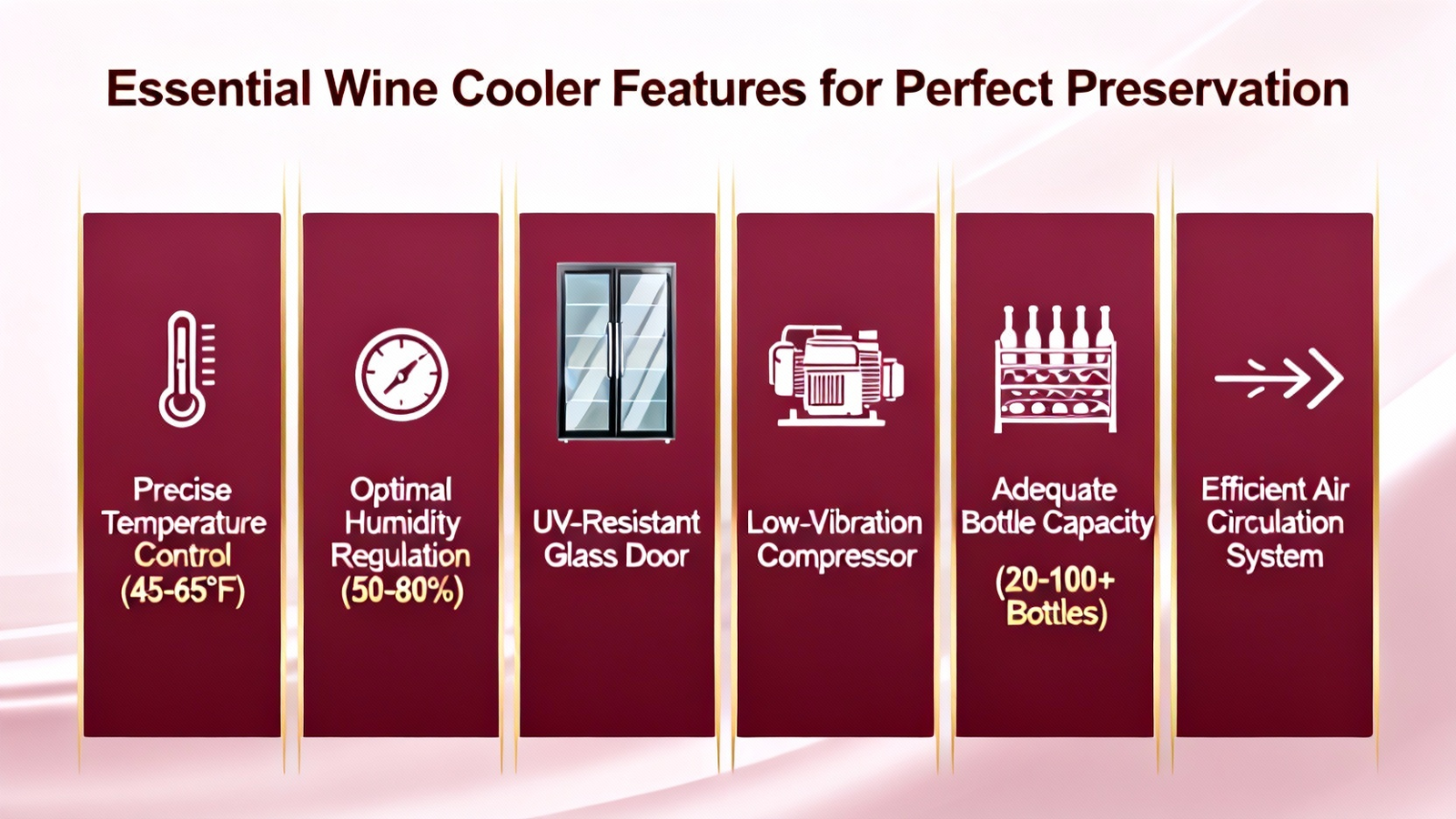
For wine enthusiasts, proper storage is non-negotiable. This article explores the essential features of a modern wine cooler, detailing how specific technologies like light protection, precise temperature control, and advanced cooling systems work in concert to preserve and age your collection perfectly. Understanding these elements ensures your investment matures as intended.
The Foundation of Preservation: Light and Temperature
Two of the greatest threats to wine are ultraviolet light and temperature fluctuation. UV rays can degrade and prematurely age wine, a process known as “light strike,” which damages organic compounds. This is why many fine wines use colored glass bottles. A wine cooler with protective glass doors acts as a critical barrier. Equally important is temperature. The ideal range for long-term storage is between 45°F and 65°F, with 55°F often cited as a perfect median. As noted in a Reddit discussion on r/wine, consistent temperature is paramount, as fluctuations cause the wine to expand and contract, potentially pulling in air through the cork.
Intelligent Cooling and Flexible Storage
Beyond a simple cold setting, effective cooling requires stabilization. An internal air cooling system circulates air evenly, preventing hot spots and ensuring every bottle is kept at the selected temperature. This is complemented by features like ventilated front windows, which aid in heat dissipation from the compressor. Inside, flexibility is key. Removable wooden shelves, often made of beech, are not just for aesthetics. Wood helps manage humidity and allows you to customize the layout for different bottle sizes, from standard Bordeaux to larger Burgundy bottles, maximizing the capacity of a unit like a 15″ single-zone cooler.
Design Meets Functionality
The modern wine refrigerator balances utility with presentation. User-friendly digital control panels allow for precise temperature selection, often within a single degree. For visibility without harm, soft blue LED lighting is preferred. As explained on Wikipedia’s wine cellar entry, light, especially in the blue spectrum, is less damaging than other wavelengths, making it a safer choice for interior illumination. This thoughtful design creates a showcase for your collection while actively protecting it.
In summary, selecting a wine cooler requires attention to the science of preservation. Protection from harmful light, unwavering temperature control via advanced air cooling systems, and adaptable storage with wooden shelves form the cornerstone of proper wine stewardship. These features, combined with thoughtful design elements like soft LED lighting, transform a simple appliance into a dedicated aging environment. For both the casual enthusiast and the serious collector, a dedicated cooler is an indispensable tool. It ensures that every bottle, whether an everyday favorite or a rare vintage, is afforded the consistent conditions it needs to reach its full potential. Investing in a quality unit, such as a 30-bottle wine cooler, is ultimately an investment in the future enjoyment of your entire collection, guaranteeing that each glass poured is a perfect representation of the winemaker’s intent.
This article really highlights how essential features like precise temperature control are for perfect preservation.
\}}
This article really highlights how essential features like precise temperature control are for perfect preservation.
\}}
This article really highlights how essential features like precise temperature control are for perfect preservation.
\}}
Great article—it really highlights how essential features like precise temperature control are the key to perfect preservation.
\}}
Great article—it really highlights how essential features like precise temperature control are the key to perfect preservation.
\}}
Great article—it really highlights how essential features like precise temperature control are the key to perfect preservation.
\}}
Great article—it really highlights how essential features like precise temperature control are the key to perfect preservation.
\}}