

Commercial Ice Makers: Efficiency, Hygiene & Smart Features

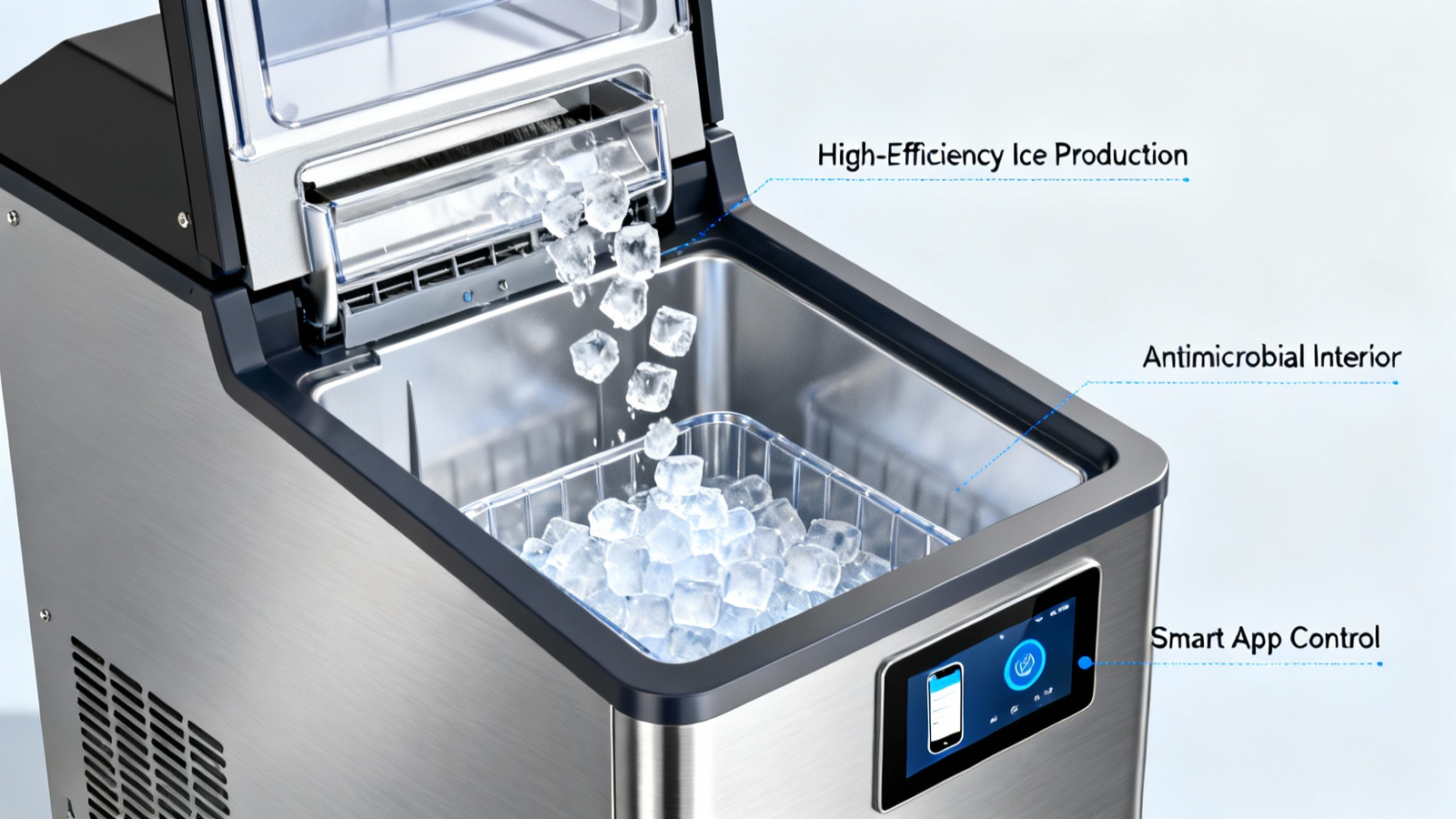
Unlocking Commercial-Grade Ice Production: A Deep Dive into Modern Ice Makers
For bars, cafes, and restaurants, reliable ice production is a cornerstone of service. This article explores the advanced features of modern commercial ice makers, focusing on efficiency, hygiene, and operational intelligence. We’ll examine how innovations like integrated filtration and smart controls meet the rigorous demands of foodservice environments, ensuring consistent quality and performance where it matters most.
The Critical Role of Water Filtration in Ice Quality
Superior ice begins with superior water. A high-efficiency water filter is not an accessory but a necessity for any commercial ice operation. It directly converts tap water into purified water, removing chlorine, sediments, and impurities that affect both the clarity and taste of ice cubes. This is crucial, as noted in discussions on food safety, where water quality is directly linked to beverage integrity. The removable water channel in units like the TITTLA ice maker simplifies regular cleaning, preventing scale buildup—a common point of failure and contamination cited in appliance maintenance forums.
Engineering for Durability and High-Volume Output
Commercial environments demand robust construction. The use of stainless steel is the industry standard, prized for its hygienic, non-porous surface and corrosion resistance, as detailed on Wikipedia’s page for stainless steel. This material ensures longevity and ease of sanitation. Paired with a powerful compressor, this engineering enables high-volume production. For instance, a machine producing 100 pounds of ice in 24 hours meets the needs of busy establishments. The importance of a reliable compressor is a frequent topic in commercial kitchen subreddits, where users emphasize that it’s the heart of consistent ice production.
Intelligent Operation and User-Centric Design
Modern ice makers integrate smart controls to reduce labor and error. Features like an LCD display, programmable ice thickness, and automatic cleaning cycles provide precise management. The auto-clean function, in particular, addresses a critical maintenance need highlighted by users, helping to prevent microbial growth. Furthermore, design elements like a front observation window with interior lighting and included tools like a dedicated ice scoop enhance both operational transparency and hygiene, ensuring staff can monitor and handle ice without direct contact.
Versatile Application and Operational Considerations
The true test of a commercial ice maker is its seamless integration into diverse settings. A freestanding design with a compact footprint offers flexibility for cafes, bars, or canteens. However, a key operational note is the distinction between ice production and long-term storage. As some Reddit users in the KitchenConfidential subreddit have pointed out, commercial ice machines are not refrigerators; their insulated bins are for short-term holding. For best practice, excess ice should be transferred to a separate freezer, maintaining the machine’s cycle efficiency and ice quality.
Conclusion: Investing in a Comprehensive Ice Solution
Choosing a commercial ice maker requires evaluating a system, not just an appliance. From the initial water purification via a high-efficiency filter to the final extraction with a provided scoop, every detail impacts the end product. The stainless steel ice maker exemplifies this integrated approach, combining durable materials, intelligent programming for easy operation and auto-cleaning, and a design suited for high-demand scenarios. By prioritizing machines that address the full spectrum of hygiene, volume, and usability—supported by insights from industry professionals and foundational engineering principles—businesses can secure a reliable ice supply. This ensures not only the quality of beverages but also the operational efficiency and cleanliness standards that customers and health codes demand, making it a sound investment for any foodservice operation.
This article really highlights how crucial operational intelligence is for choosing the right commercial ice maker.
\}}
This article really highlights how crucial operational intelligence is for choosing the right commercial ice maker.
\}}
This article really highlights how crucial operational intelligence is for choosing the right commercial ice maker.
\}}
This article really highlights how crucial operational intelligence is for choosing the right commercial ice maker.
\}}
This article really highlights how crucial operational intelligence is for choosing the right commercial ice maker.
\}}
This article really highlights how crucial operational intelligence is for choosing the right commercial ice maker for a busy kitchen.
\}}