

Dual Zone Wine Cooler: The Key to Perfect Wine Storage

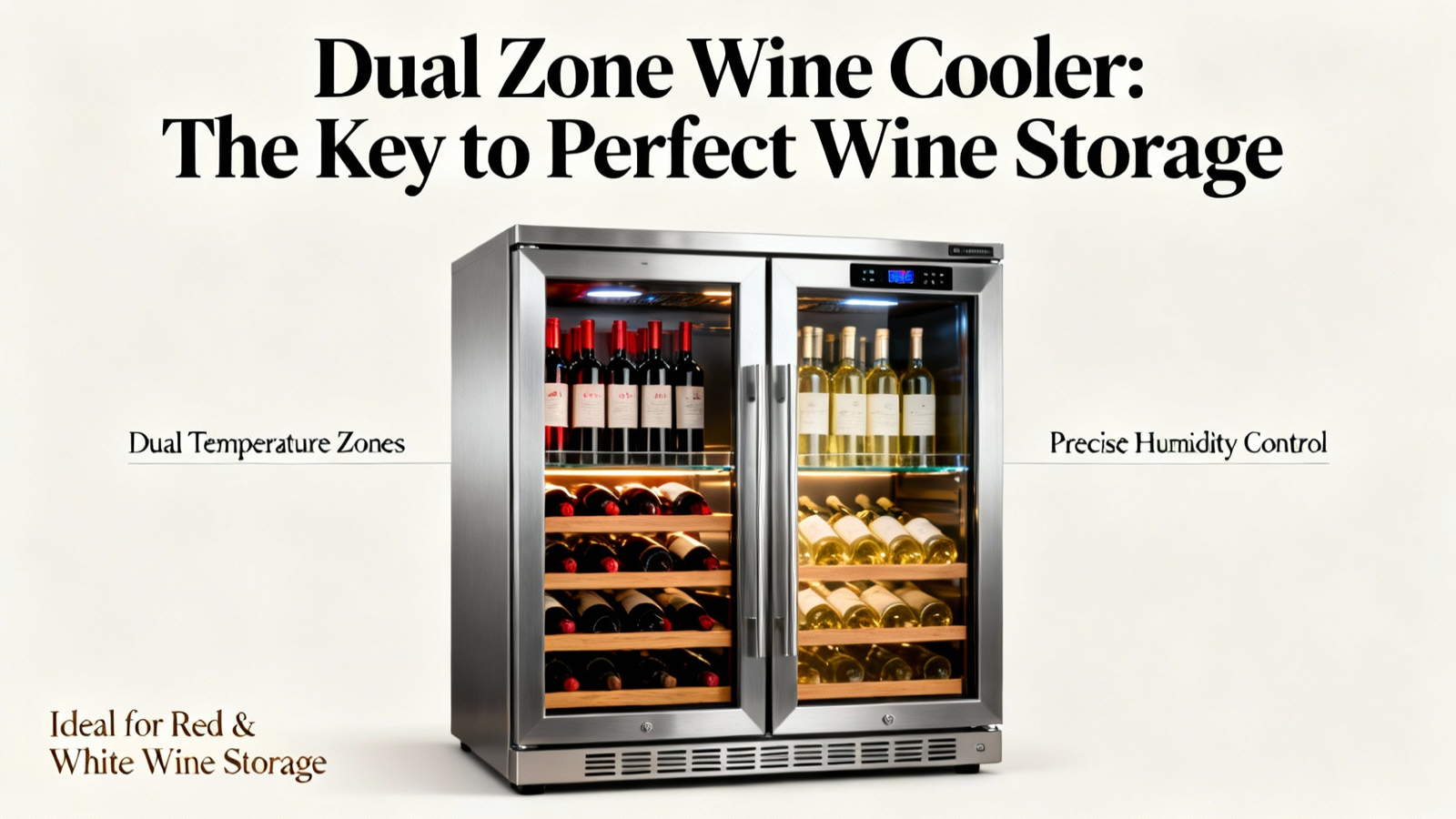
For wine enthusiasts and collectors, proper storage is the cornerstone of preserving a bottle’s character and value. This article delves into the critical role of precise temperature control, exploring how advanced solutions like a dual zone wine cooler can independently safeguard red and white wines. We will examine the technology behind optimal humidity, capacity considerations, and the design features that make professional-grade storage accessible.
The Science of Temperature: Why Dual Zones Matter
Wine is a living, evolving beverage sensitive to its environment. Consistent temperature is paramount, as fluctuations cause expansion and contraction, potentially pushing cork and allowing oxidation. The ideal storage range for long-term aging is widely cited as 12-14°C (53-57°F), but serving temperatures differ. As noted in wine storage discussions, serving whites too warm or reds too cold masks their intended flavors and textures. A dual zone wine refrigerator addresses this by providing two independently controlled climates—typically 5-13°C (40-55°F) for whites and sparkling wines, and 13-18°C (55-65°F) for reds—ensuring each wine is stored and ready to serve at its peak.
Capacity, Stability, and Advanced Preservation
Beyond basic cooling, professional preservation hinges on stable humidity and advanced technology. Low humidity can dry out corks, while high humidity promotes mold. Quality coolers maintain 50-70% humidity. For serious collectors, a 154-bottle capacity, as seen in models like the 24″ seamless design cooler, accommodates a growing collection. This scale necessitates sophisticated compression and insulation systems to maintain stability without excessive energy consumption. As users on forums like r/wine have noted (January 2023), a stable environment is more critical than the exact temperature within the correct range, highlighting the importance of the cooling system’s precision.
Design and Security for Discerning Collectors
When integrating a substantial wine refrigerator into a home or commercial space, aesthetics and security become key. A sleek stainless steel exterior offers durability and complements modern décor, while soft interior LED lighting—like blue lights that generate less heat—allows for display without compromising temperature. User-friendly digital controls provide exact monitoring. For added security, especially in public or shared spaces, a locking door is essential. These features transform the unit from mere appliance to a centerpiece of trust, ensuring both the safety and the elegant presentation of a valuable collection.
Conclusion: The Cornerstone of a Maturing Collection
In summary, investing in a dedicated dual zone wine refrigerator is an investment in the very integrity of your wine. By providing independent, precise temperature zones for reds and whites, such a appliance directly addresses the core principles of proper wine storage: consistency and differentiation. The generous 154-bottle capacity caters to serious collectors, while advanced cooling technology ensures the stable humidity and temperature that authoritative sources, including Wikipedia’s wine cellar entry, cite as non-negotiable for preservation. Features like locking doors and elegant lighting merge practical security with sophisticated display. Ultimately, this goes beyond mere cooling; it is about creating a controlled microclimate that allows every bottle, whether a bold Cabernet Sauvignon or a delicate Chardonnay, to mature gracefully and be enjoyed exactly as the winemaker intended. For those building a collection in the United States, where home environments vary greatly, such a system provides the reliable foundation every wine deserves.
This article really highlights why a dual zone wine cooler is essential for anyone serious about their collection.
\}}
This article really highlights why a dual zone wine cooler is essential for anyone serious about storing both reds and whites properly.
\}}
Great read—I never realized how crucial a dual zone wine cooler is for keeping both my reds and whites at their best.
\}}
Great read—I never realized how crucial a dual zone wine cooler is for keeping both my reds and whites at their best.
\}}
As a collector, I’ve found that a dual zone wine cooler is absolutely essential for keeping both my reds and whites at their perfect serving temperatures.
\}}
As a collector, I’ve found that a dual zone wine cooler is absolutely essential for keeping both my reds and whites at their perfect serving temperatures.
\}}
As a collector, I’ve found that a dual zone wine cooler is absolutely essential for keeping both my reds and whites at their perfect serving temperatures.
\}}
As a collector, I’ve found that a dual zone wine cooler is absolutely essential for keeping both my reds and whites at their perfect serving temperatures.
\}}